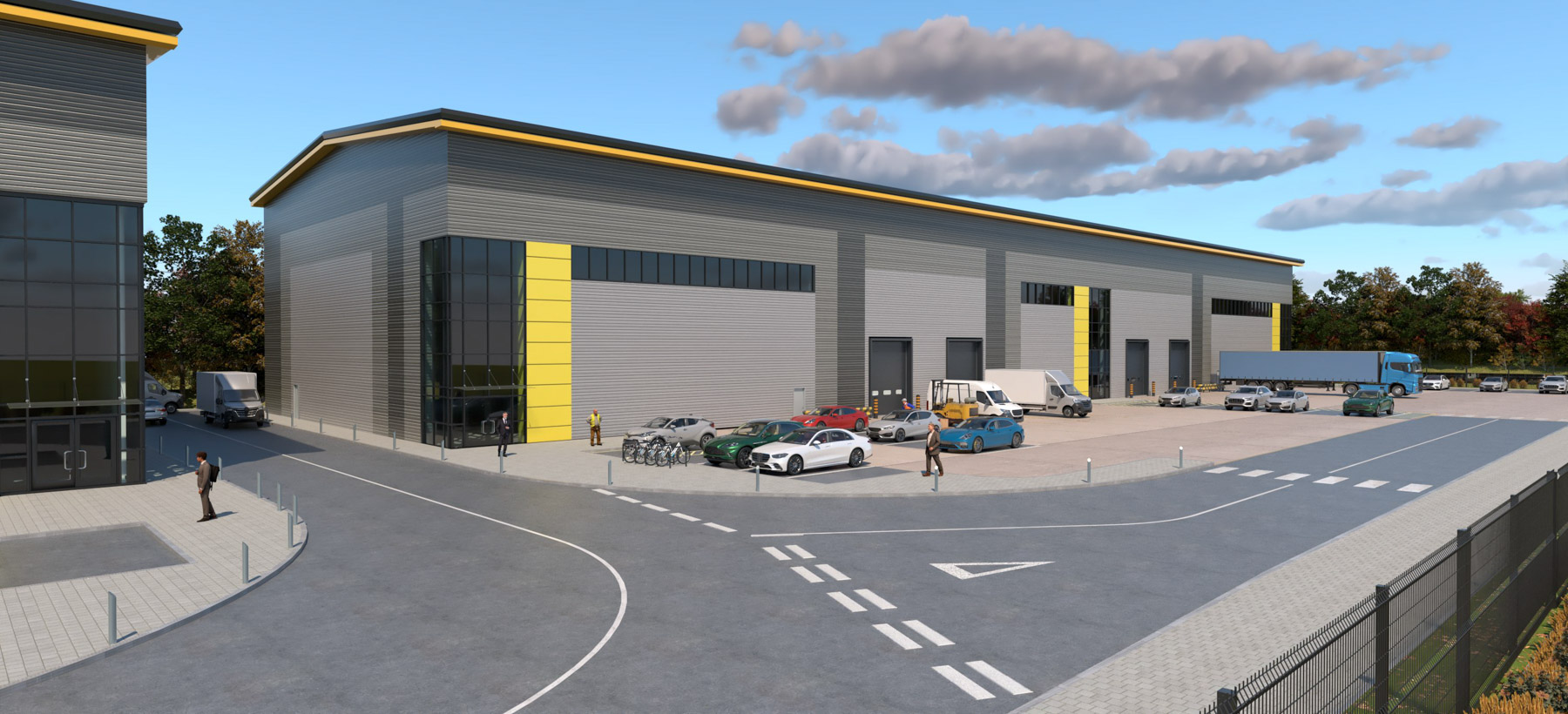
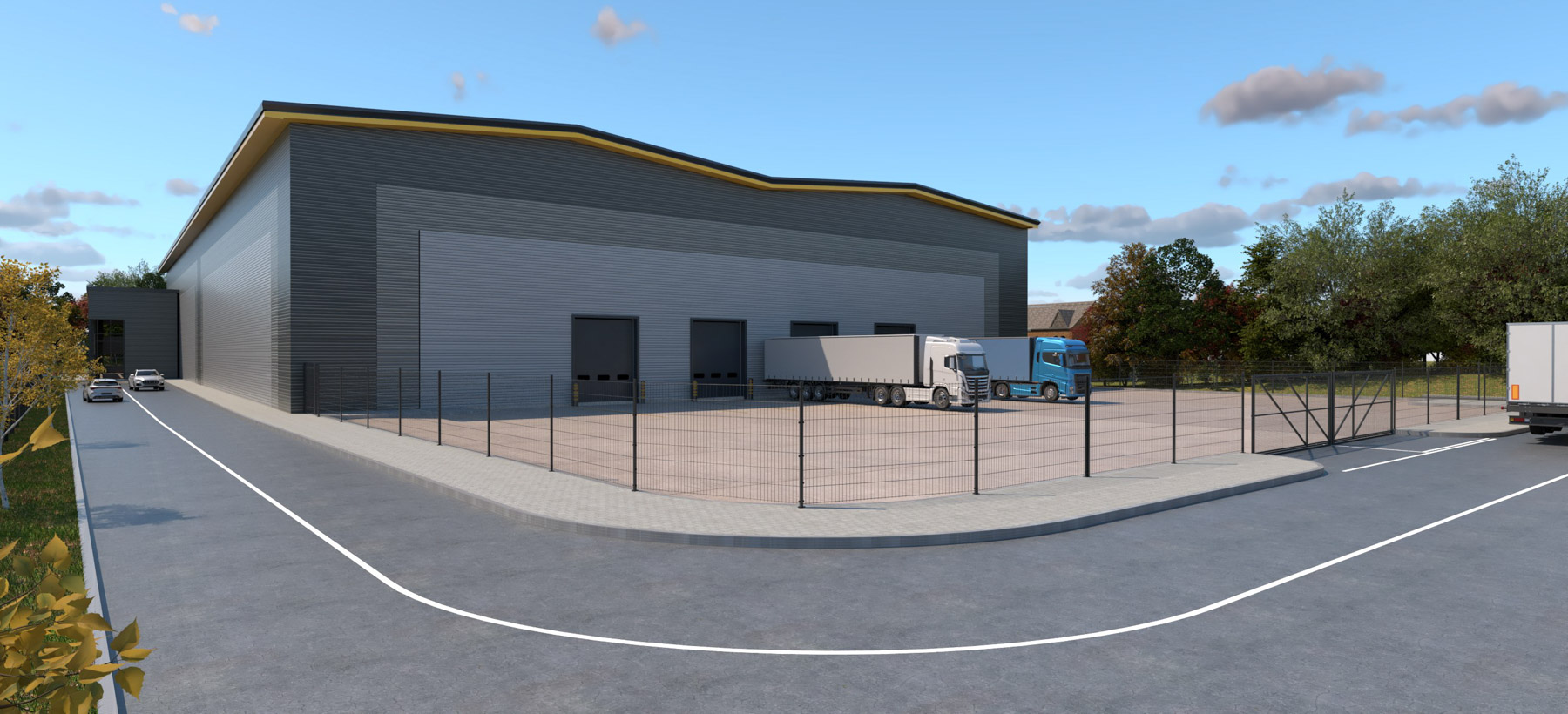
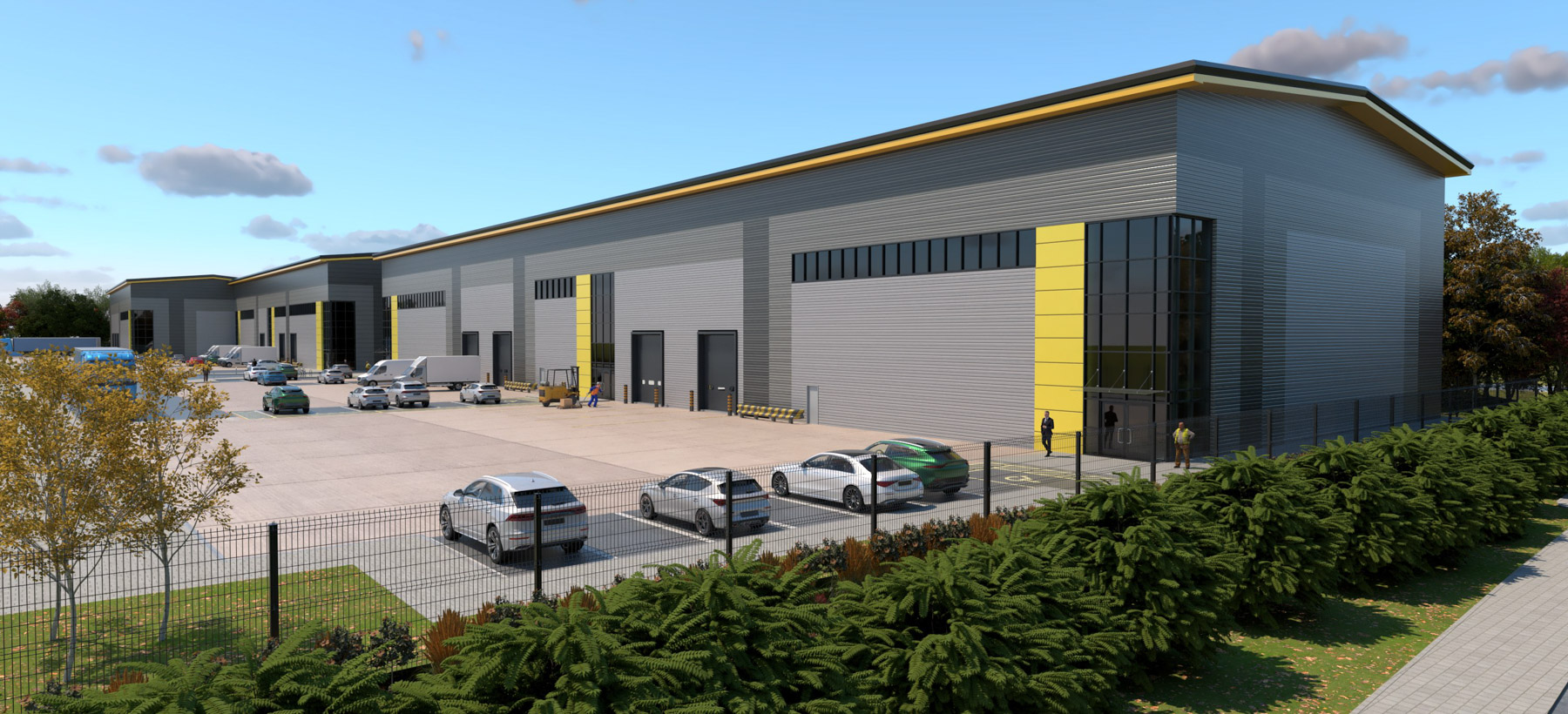
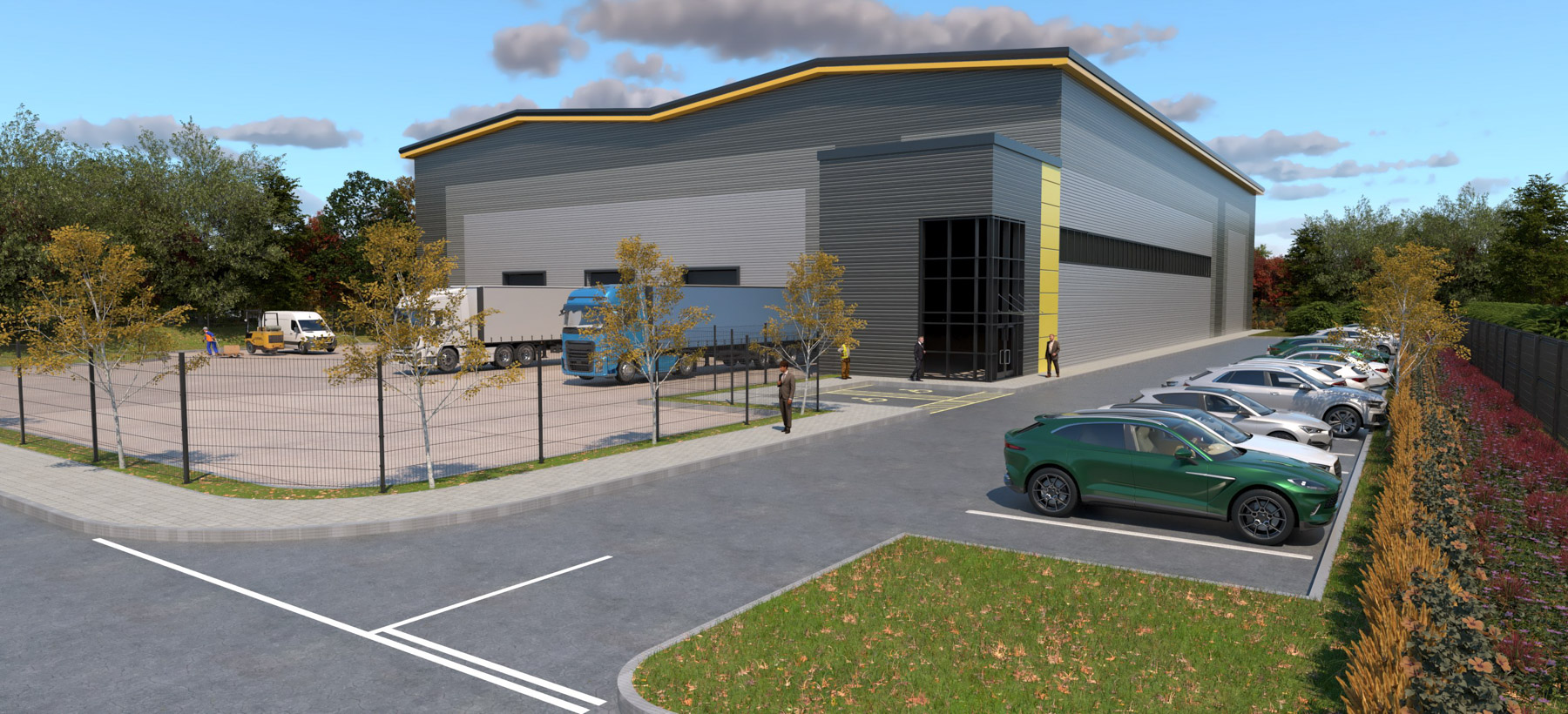
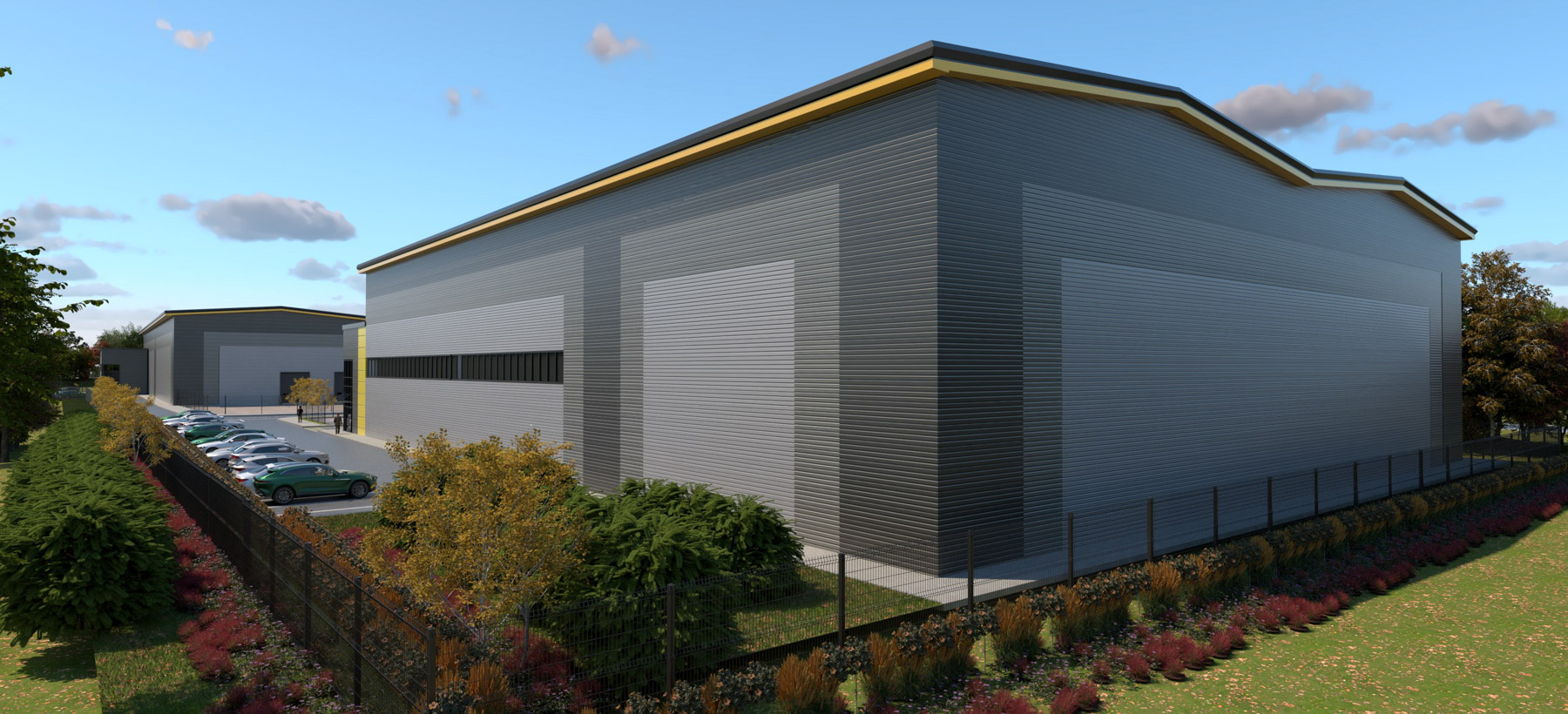
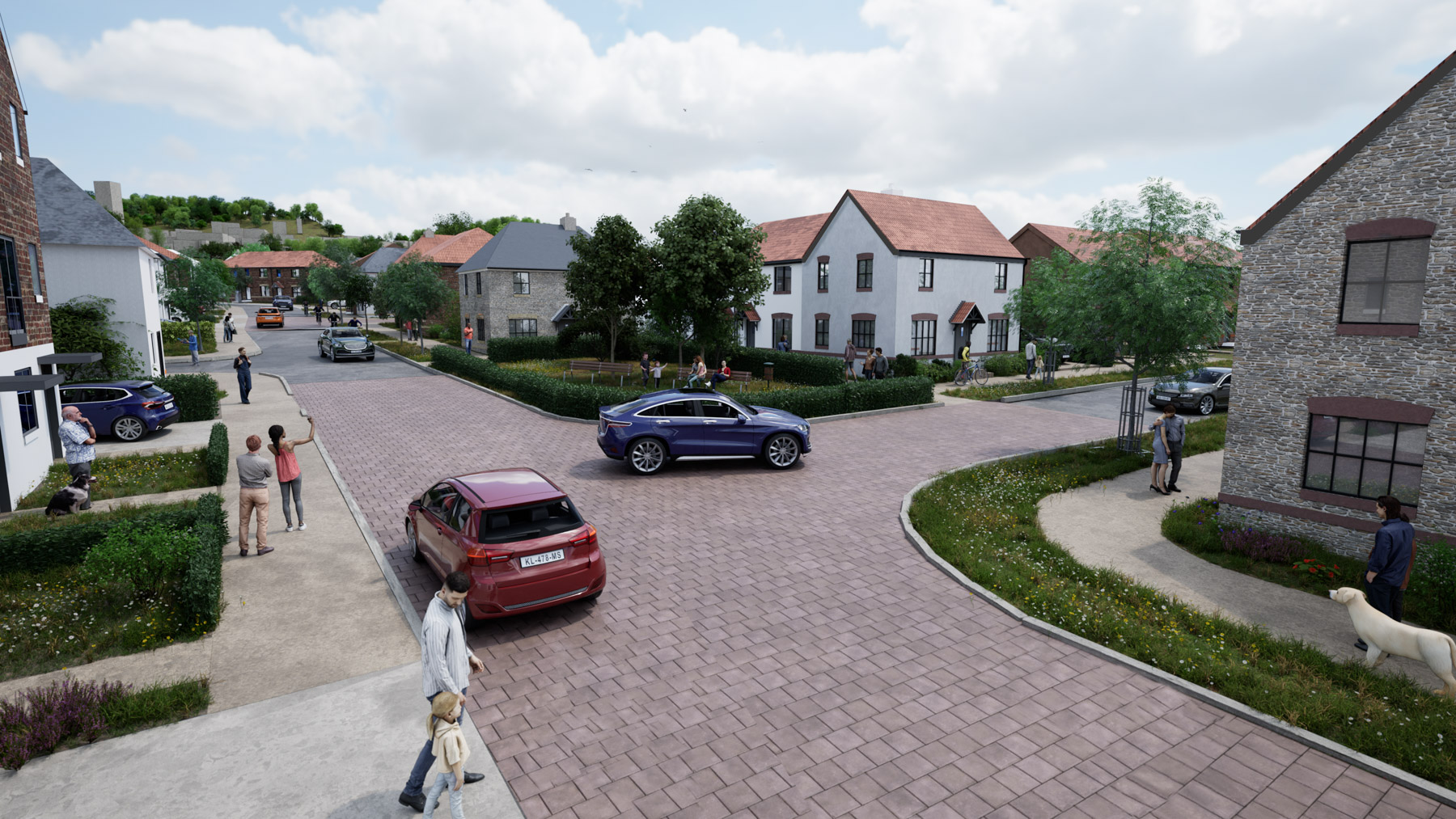
Apex prepared a detailed Transport Assessment informed by extensive site observations, traffic analysis and policy review, supported by a Framework Travel Plan aligned with BREEAM requirements.
Pre-application engagement and agreed scope
Apex led detailed pre-application and scoping discussions with the highway authority, supported by a Transport Scoping Note and draft Transport Assessment. This proactive approach allowed key matters relating to access strategy, traffic generation and highway safety to be resolved prior to submission.
Access design and swept path analysis
Vehicular access was proposed via an extension of the existing Horatius Way North access, with the southern access closed. The access geometry was designed to retain the existing carriageway width and integrate safely with the surrounding industrial estate.
Swept path analysis was undertaken for a 16.5m articulated HGV, representing the largest vehicle likely to be associated with the proposed uses. The analysis demonstrated that HGVs could safely access and egress the site in forward gear, even under existing on-street parking conditions, without the need for parking restrictions or highway widening.
Pedestrian and cycle access was retained from Horatius Way, with continuous footways provided on both sides of the carriageway and direct connections to the wider estate and surrounding network.
Traffic impact assessment
Given the flexible nature of the proposed uses, a robust traffic assessment strategy was undertaken. TRICS data was used to assess:
- The lawful fallback position of the former education/training use
- The proposed B8 warehouse scenario
- A robust sensitivity scenario assuming a full B2 / Class E(g)(iii) industrial estate use
The assessment demonstrated that the proposals would generate fewer vehicle trips than the site’s former lawful use during the highway network peak hours and across the daily period. Even under the robust sensitivity scenario, traffic increases were shown to be modest and well within the capacity of the surrounding highway network, with no severe impacts in NPPF terms.
Qualitative highway safety assessment
A detailed review of seven years of personal injury accident data confirmed that there were no existing highway safety patterns or deficiencies in the vicinity of the site that would be exacerbated by the proposals. The assessment demonstrated that the modest levels of development traffic would not give rise to unacceptable highway safety impacts.
Air quality and construction considerations
The Transport Assessment included air quality neutral inputs, demonstrating that the proposals would not result in a material worsening of transport-related emissions.
Construction access routes were defined at outline stage, with a commitment to a Construction Logistics Management Plan to control routing, vehicle types and timing, ensuring that construction traffic impacts could be effectively managed and minimised.
Following additional technical clarification, the highway authority confirmed that the proposals would not result in an unacceptable impact on highway safety and that the residual cumulative impacts on the local highway network would not be severe.

 Learn more