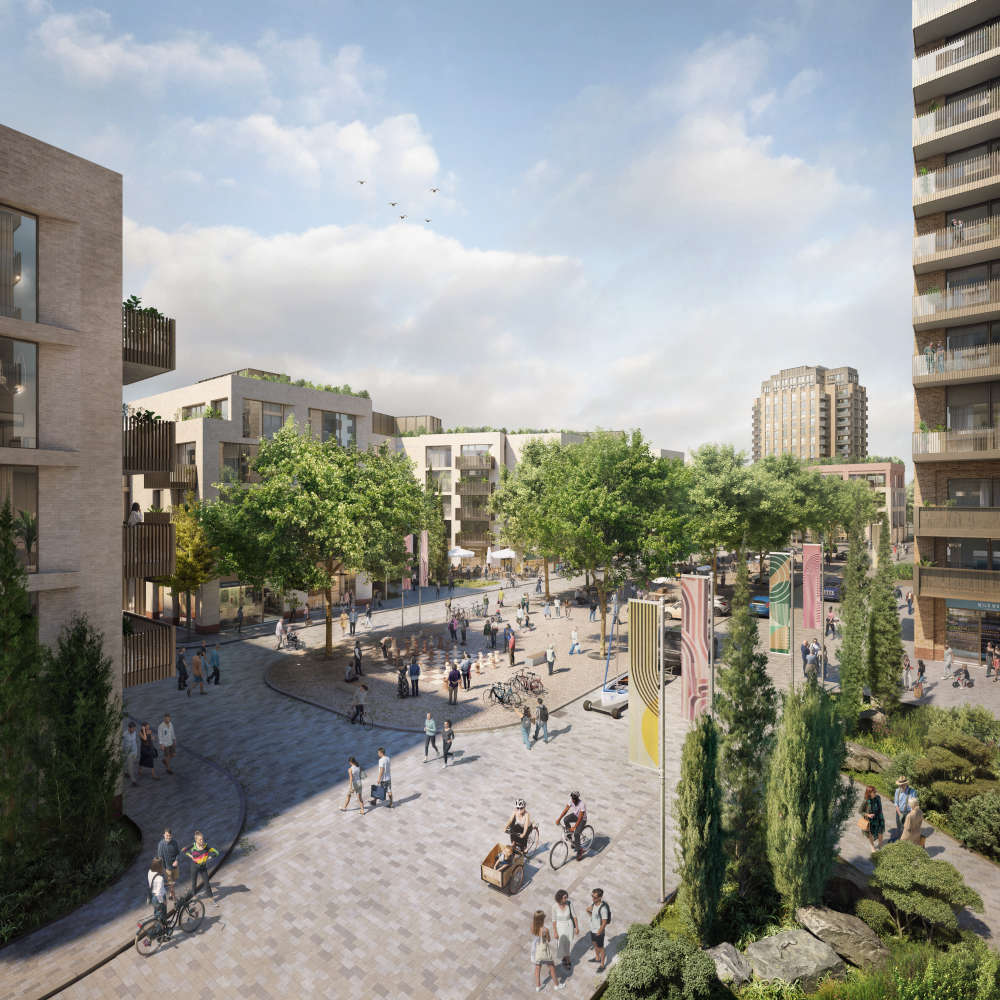
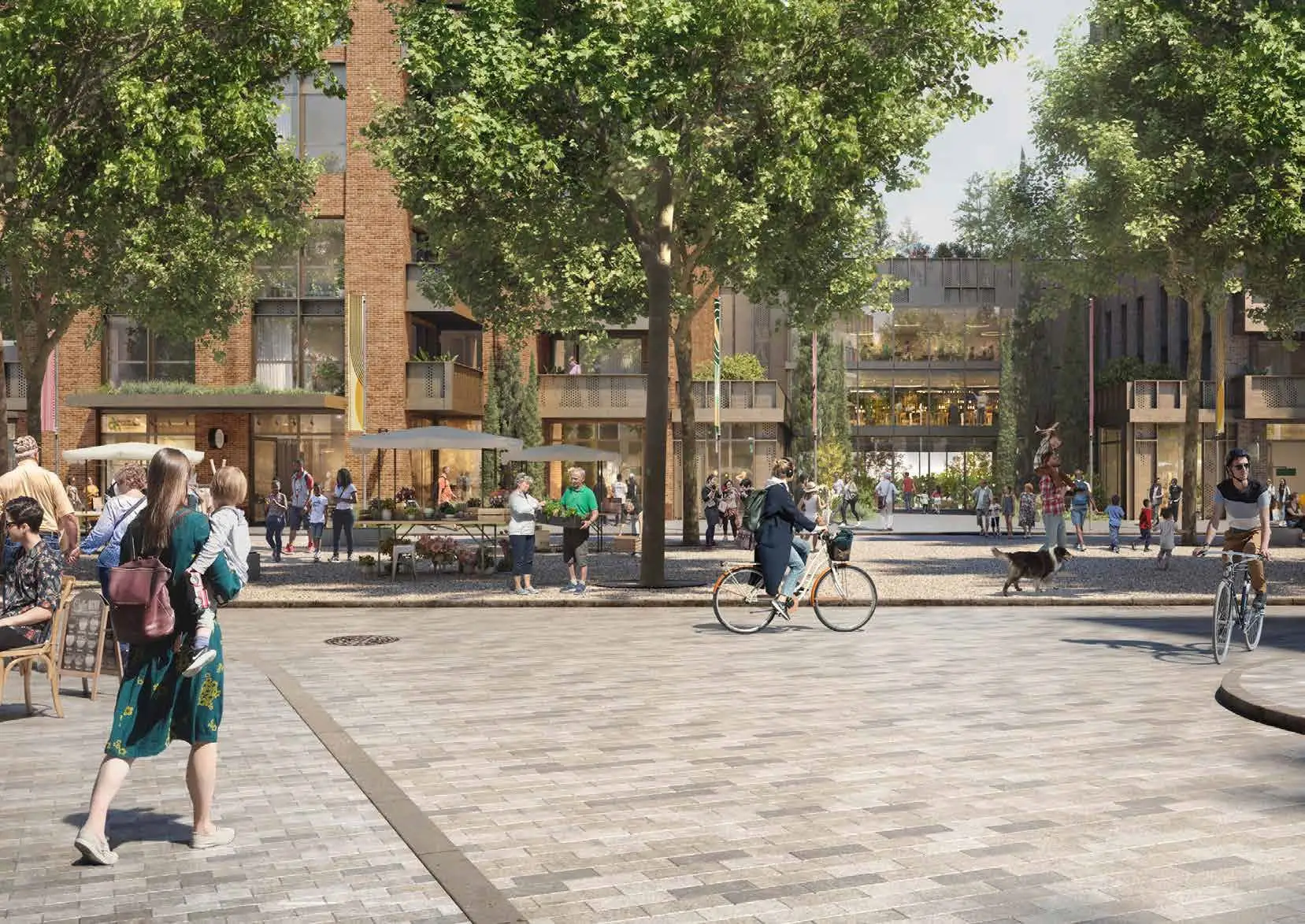
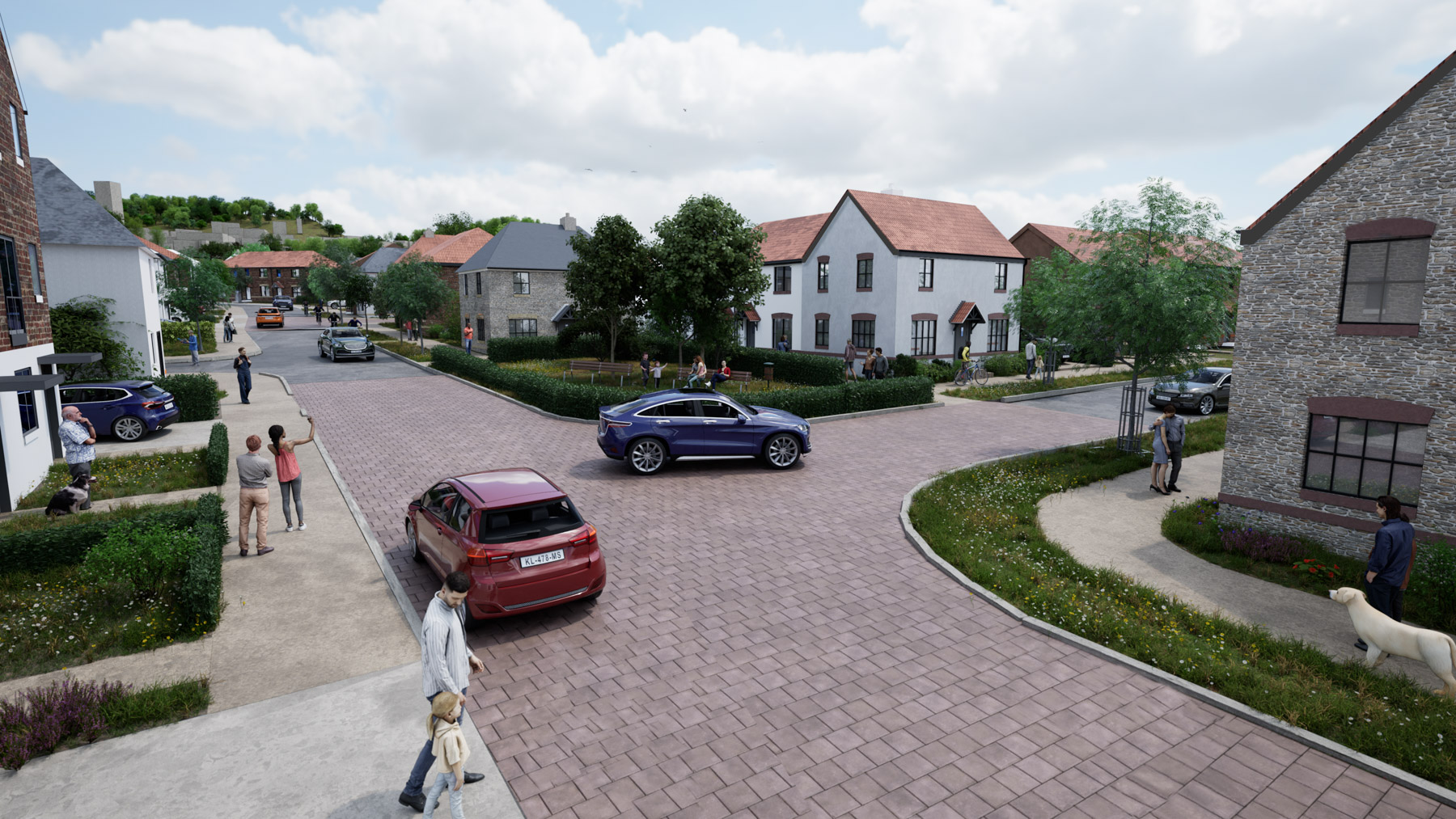
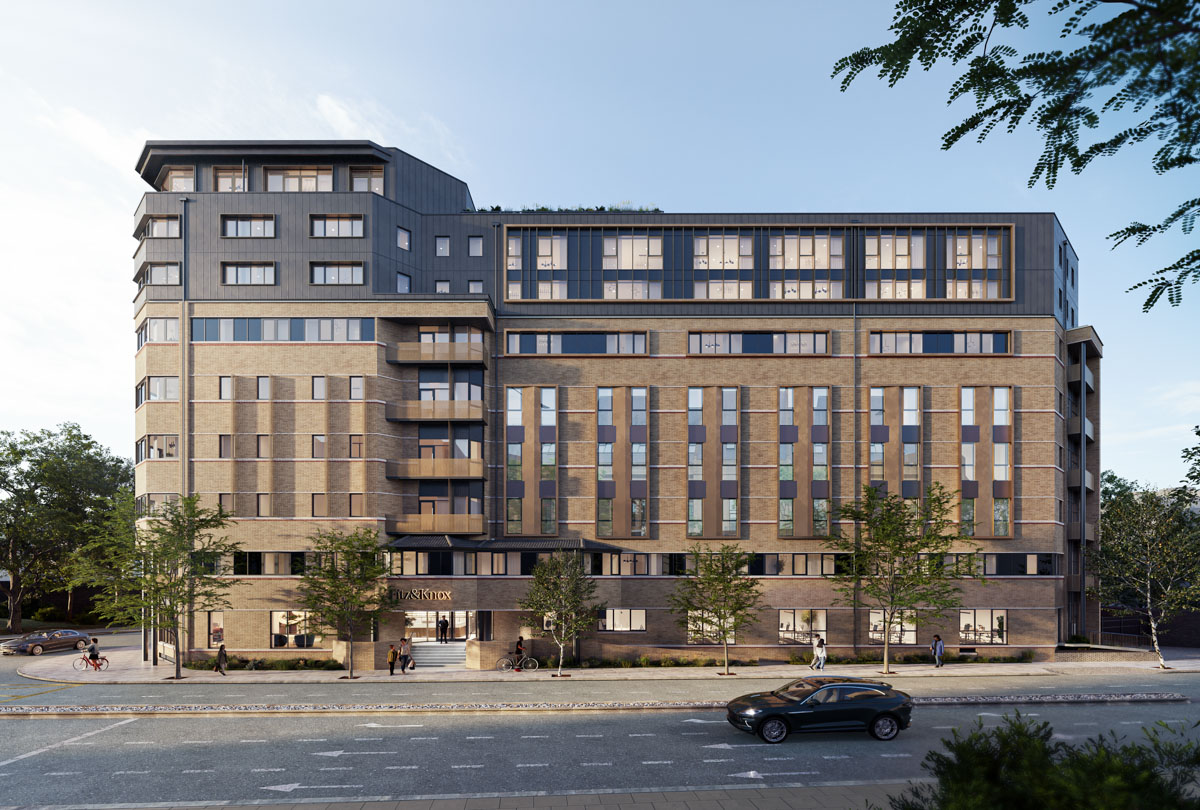
All deliverables were informed by site analysis, policy review and a strong emphasis on integrating sustainable transport principles within the masterplanning of the scheme.
Sustainable connectivity and active travel
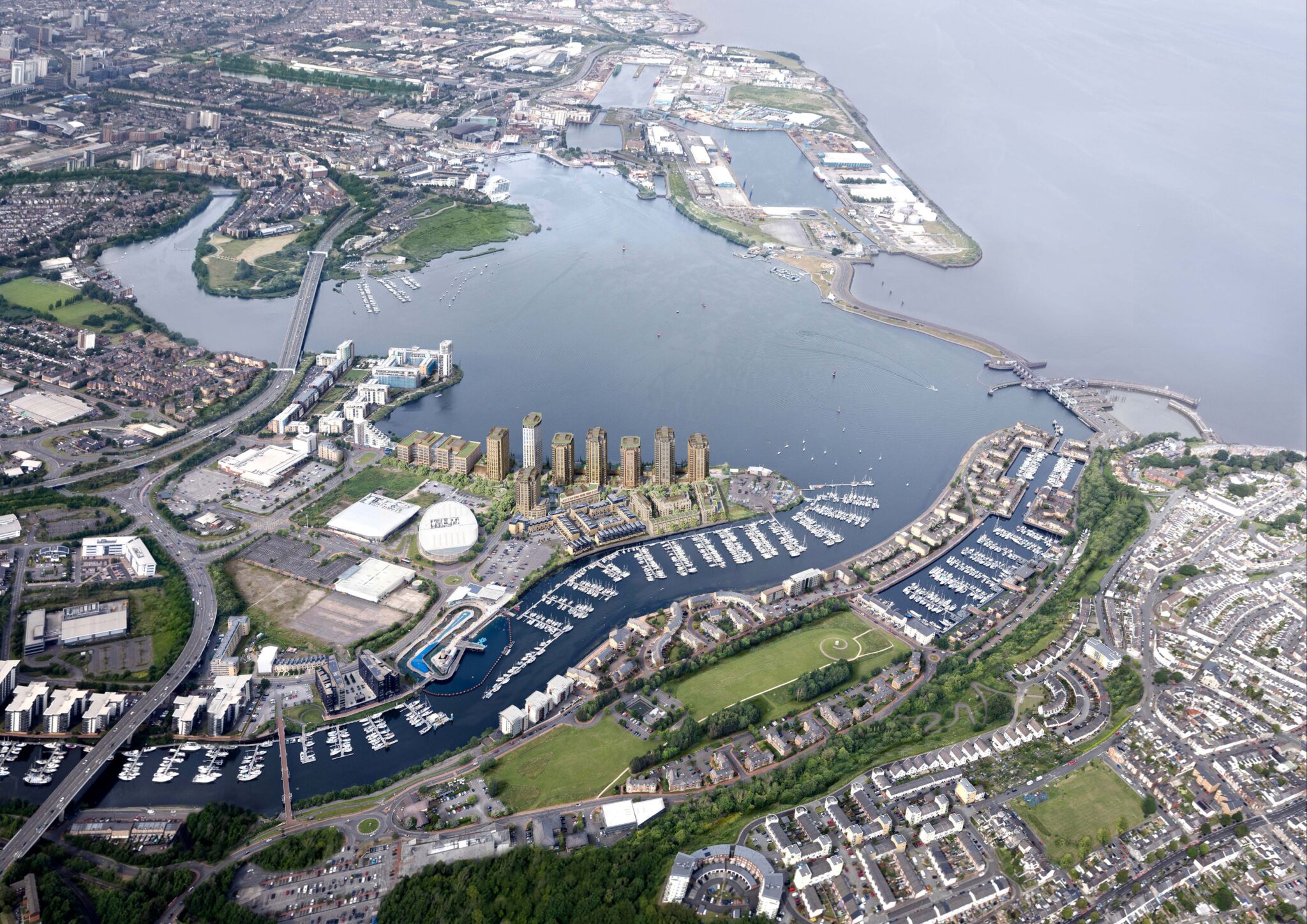
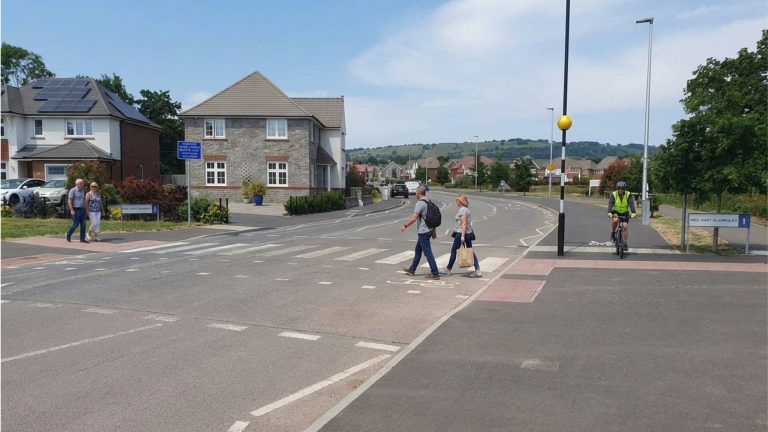
A detailed assessment of existing walking and cycling infrastructure was undertaken, demonstrating that the site benefits from strong connectivity to surrounding areas. Established routes provide direct access to local facilities, employment areas and public transport services.
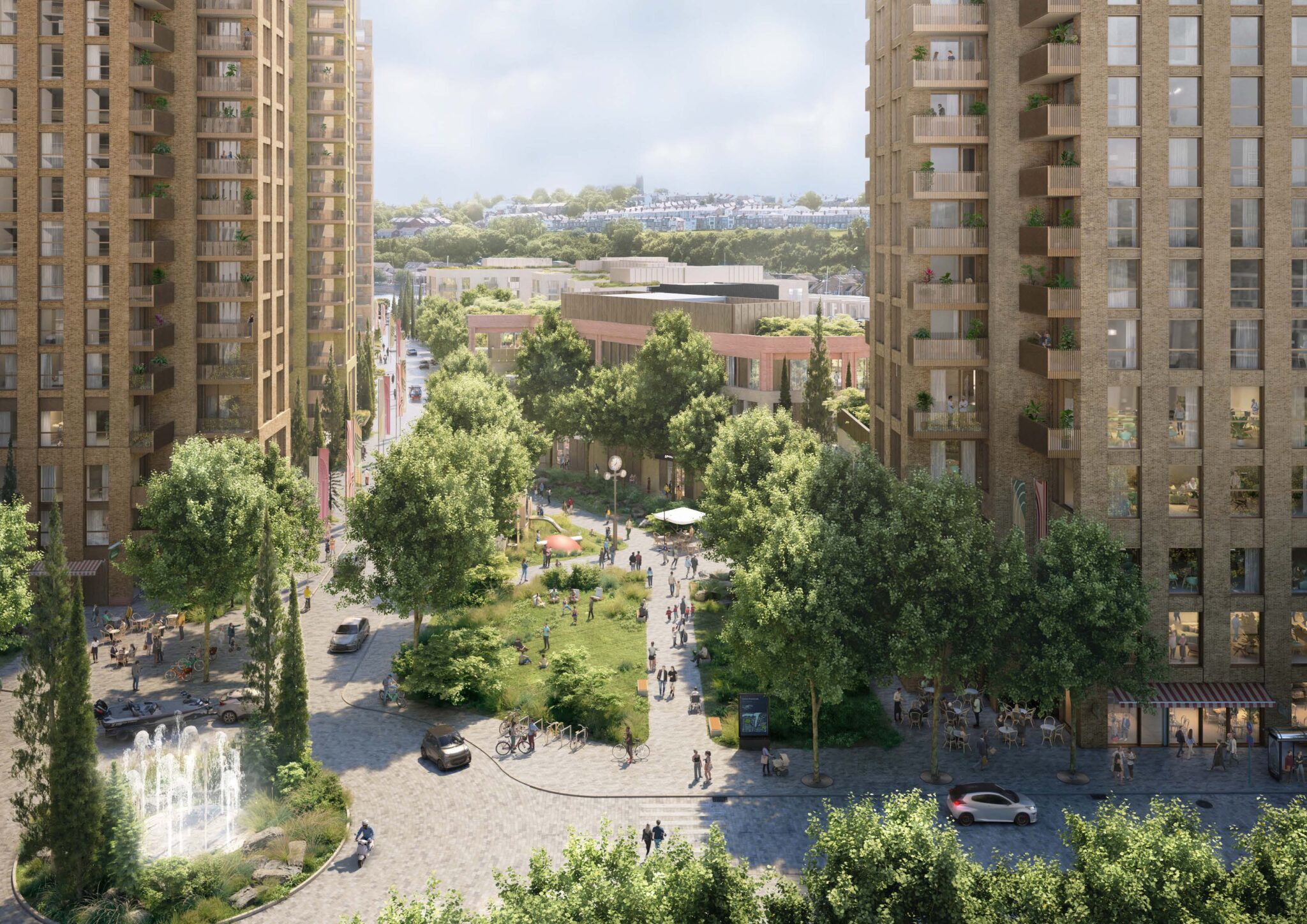
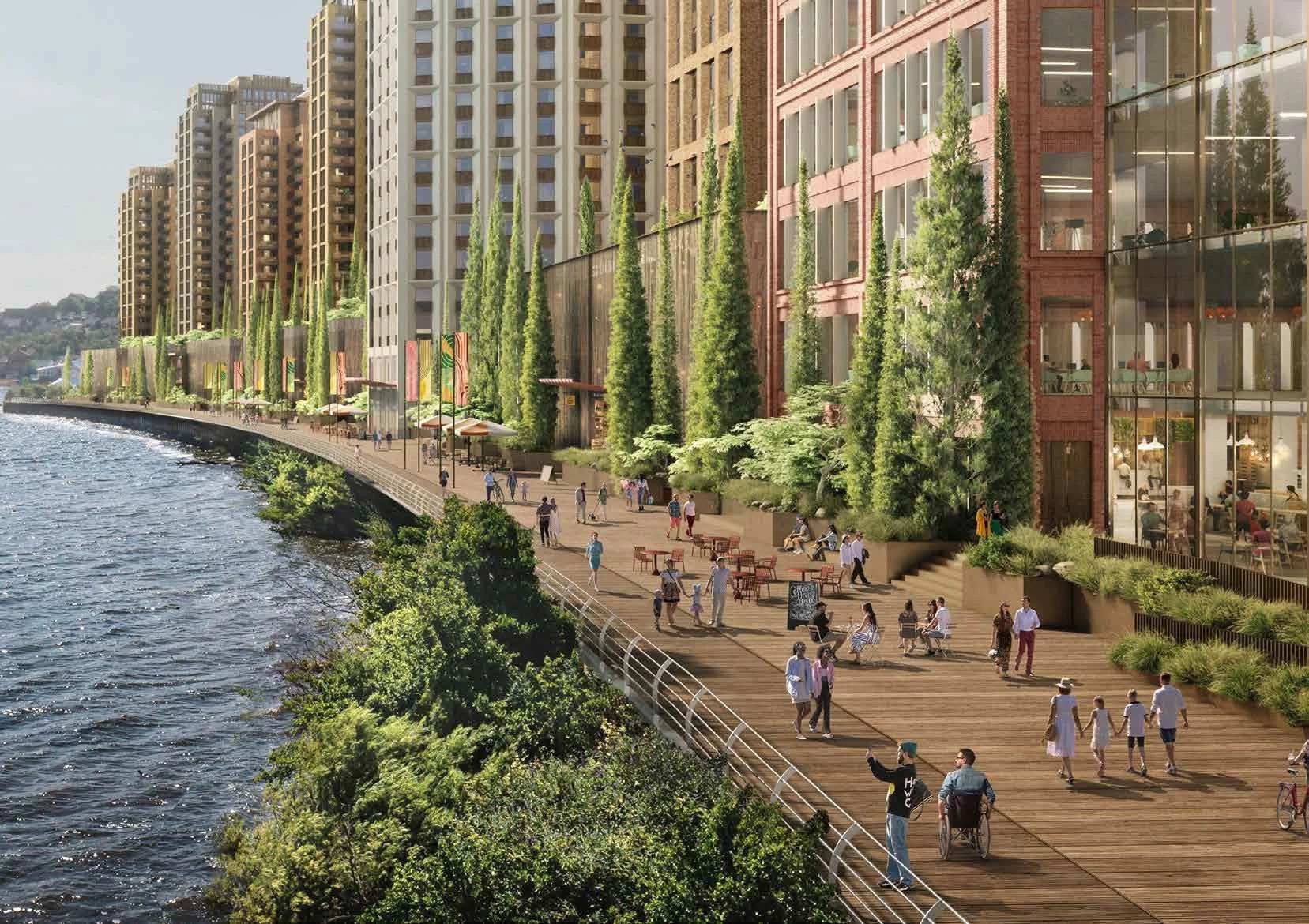
The masterplan was developed to prioritise active travel, incorporating a network of high-quality, direct and legible walking and cycling routes throughout the site. These routes will connect seamlessly with the wider network, ensuring that the development is fully integrated with its surroundings and supports everyday journeys by sustainable modes.
Mobility hub and sustainable transport strategy
A key feature of the proposals is the provision of a centrally located mobility hub, forming the focus of movement within the development. The hub is designed to provide infrastructure that promotes, encourages and facilitates the uptake of sustainable transport options.
The mobility hub would include high-quality cycle parking, cycle hire facilities, car club provision, electric vehicle charging infrastructure and integration with public transport services. It also incorporates supporting uses such as co-working and community space, reducing the need to travel and encouraging local activity.
This approach ensures that sustainable transport options are both accessible and attractive, embedding them into the day-to-day operation of the development.
Traffic impact and Travel Plan
The Transport Assessment considered trip generation across all proposed land uses, demonstrating that the mixed-use nature of the development allows for internalisation of trips and reduces overall travel demand.
The assessment confirmed that the proposals would not result in unacceptable impacts on the surrounding highway network and, in some scenarios, would reduce traffic compared to previously consented development.
The Framework Travel Plan sets out a package of measures to support sustainable travel, including promotion, management and monitoring initiatives to encourage walking, cycling and public transport use and minimise vehicular impact on the surrounding network.
Environmental Statement
The Transport Chapter of the Environmental Statement considered the effect of the proposals against a number of environmental criteria. This demonstrated that, subject to suitable mitigation, the scheme would not have a significant adverse effect considered against the EIA Regulations.

 Learn more