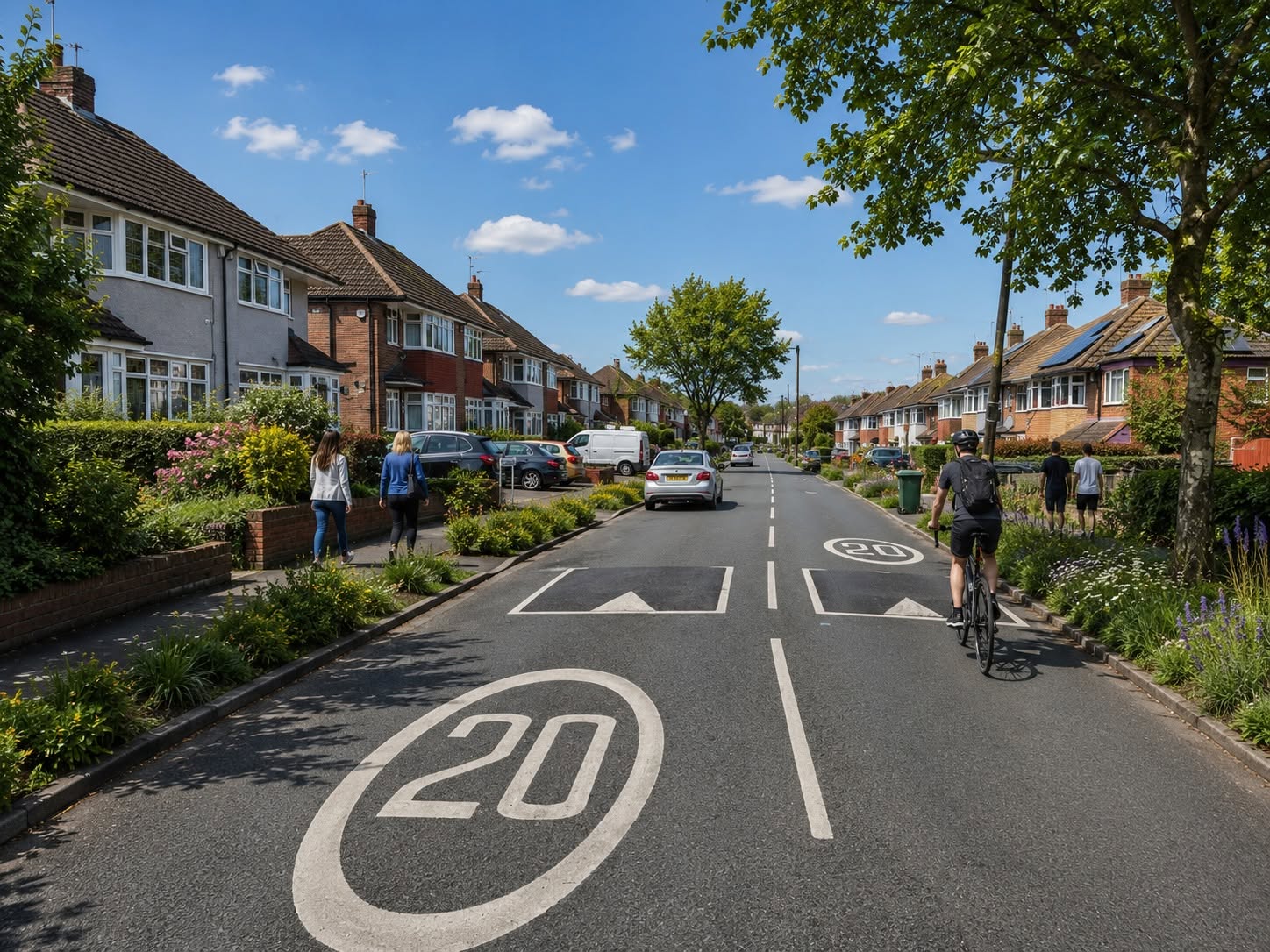
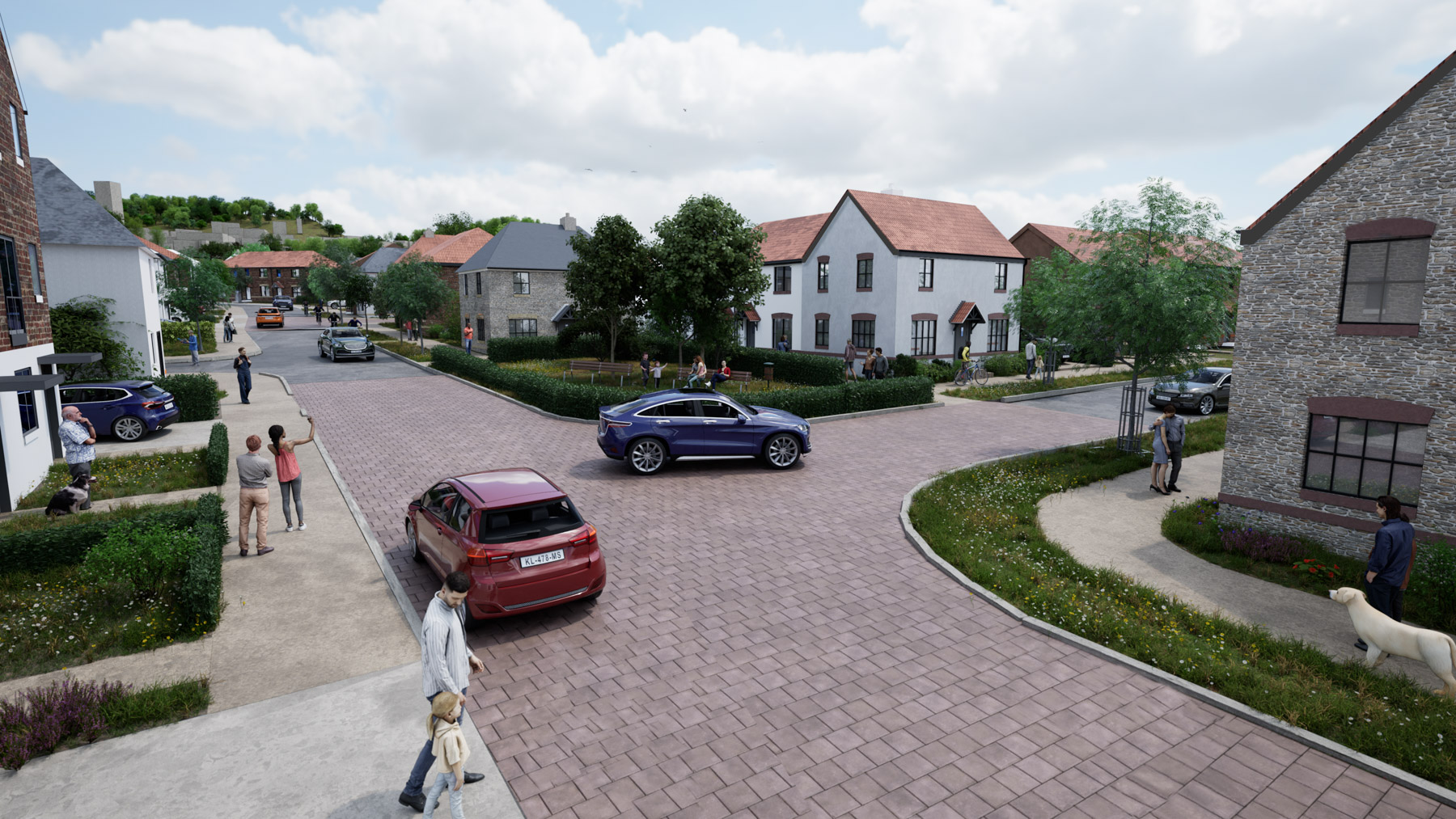
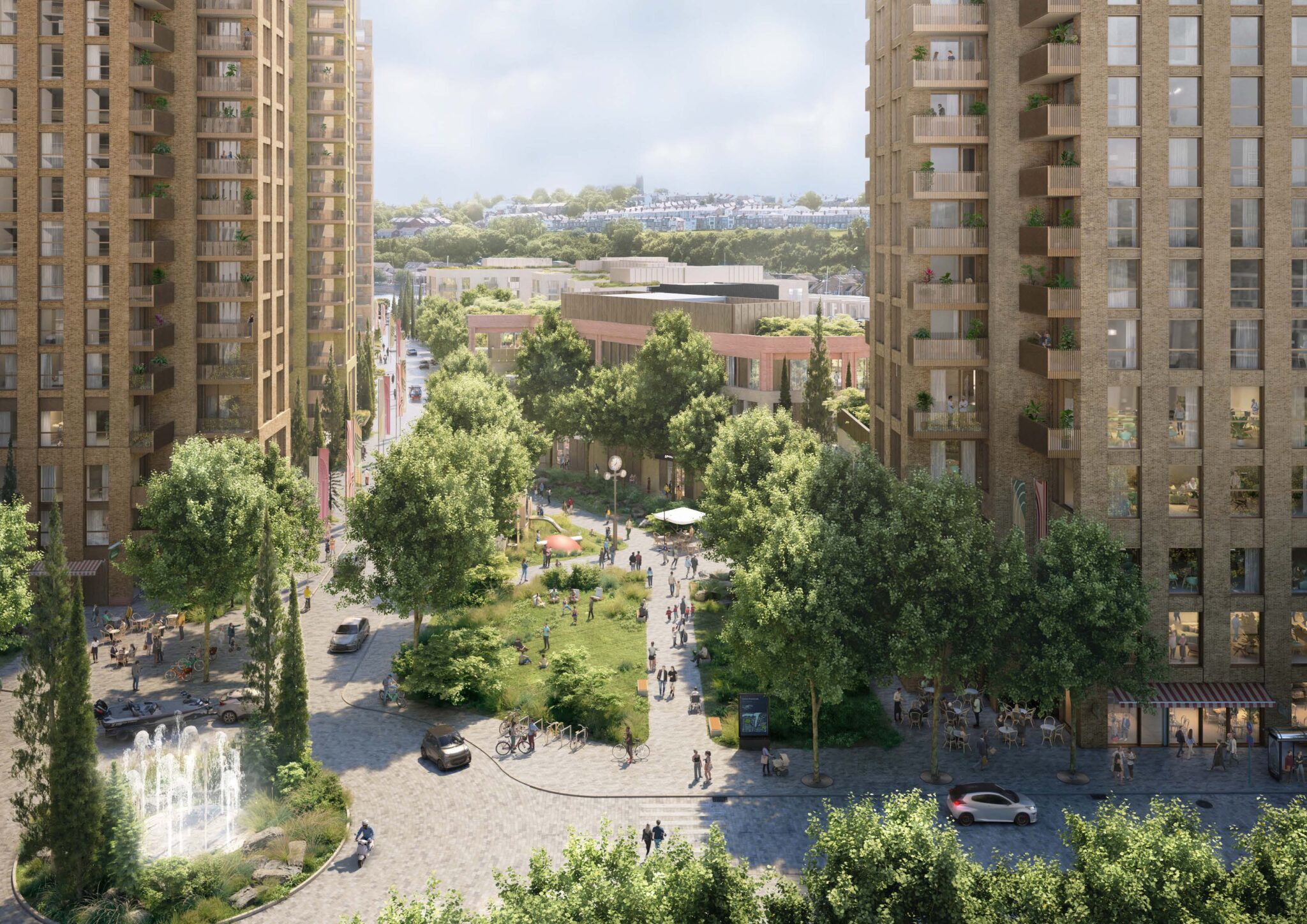
Our approach considers road safety in the round, recognising that effective traffic calming is achieved through layout, geometry and the relationship between movement and place, rather than relying solely on signs or isolated measures. We consider how street design and the wider environment can naturally encourage appropriate speeds and safe driver behaviour.
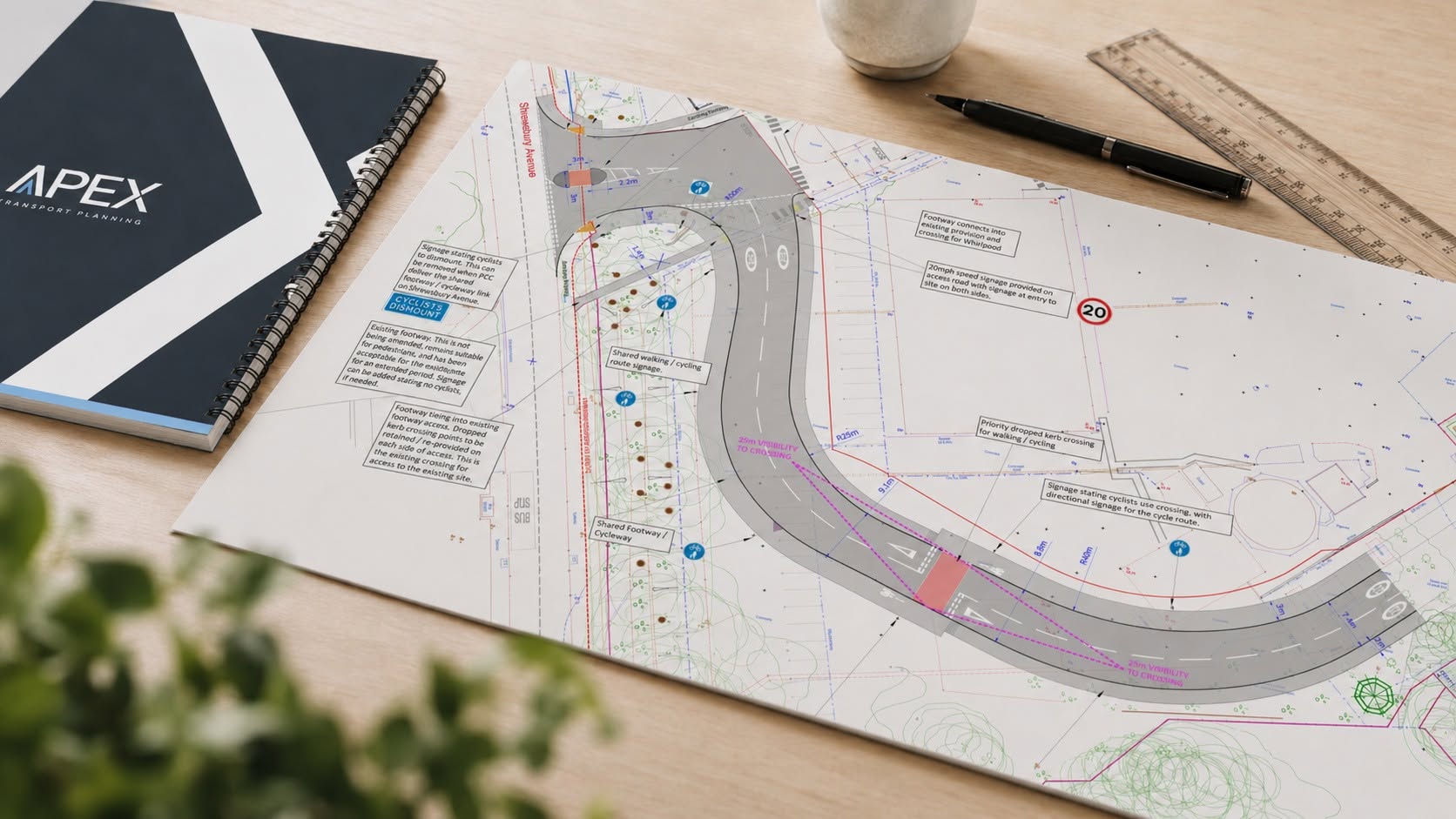
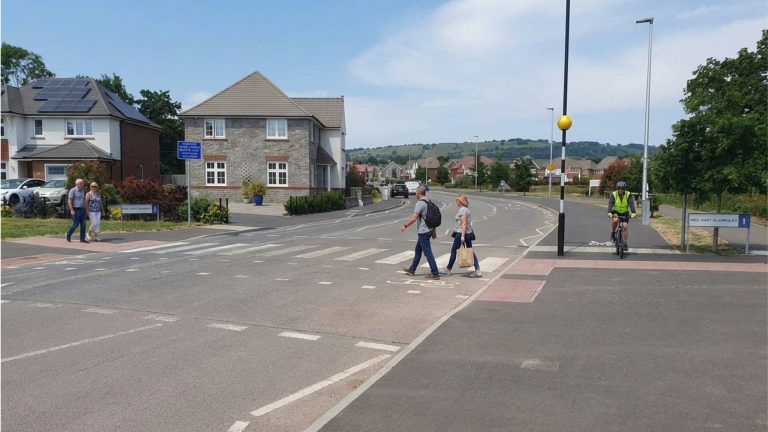
Examples of traffic calming measures we consider include changes in street geometry, such as horizontal deflection and tighter corner radii, variations in carriageway width, raised tables at junctions and crossings, and the use of surface treatments or materials to reinforce the function and character of a street. These measures are carefully selected to reflect site context, anticipated vehicle types and adoptability requirements, applying the place-led approach set out in Manual for Streets and Manual for Streets 2.
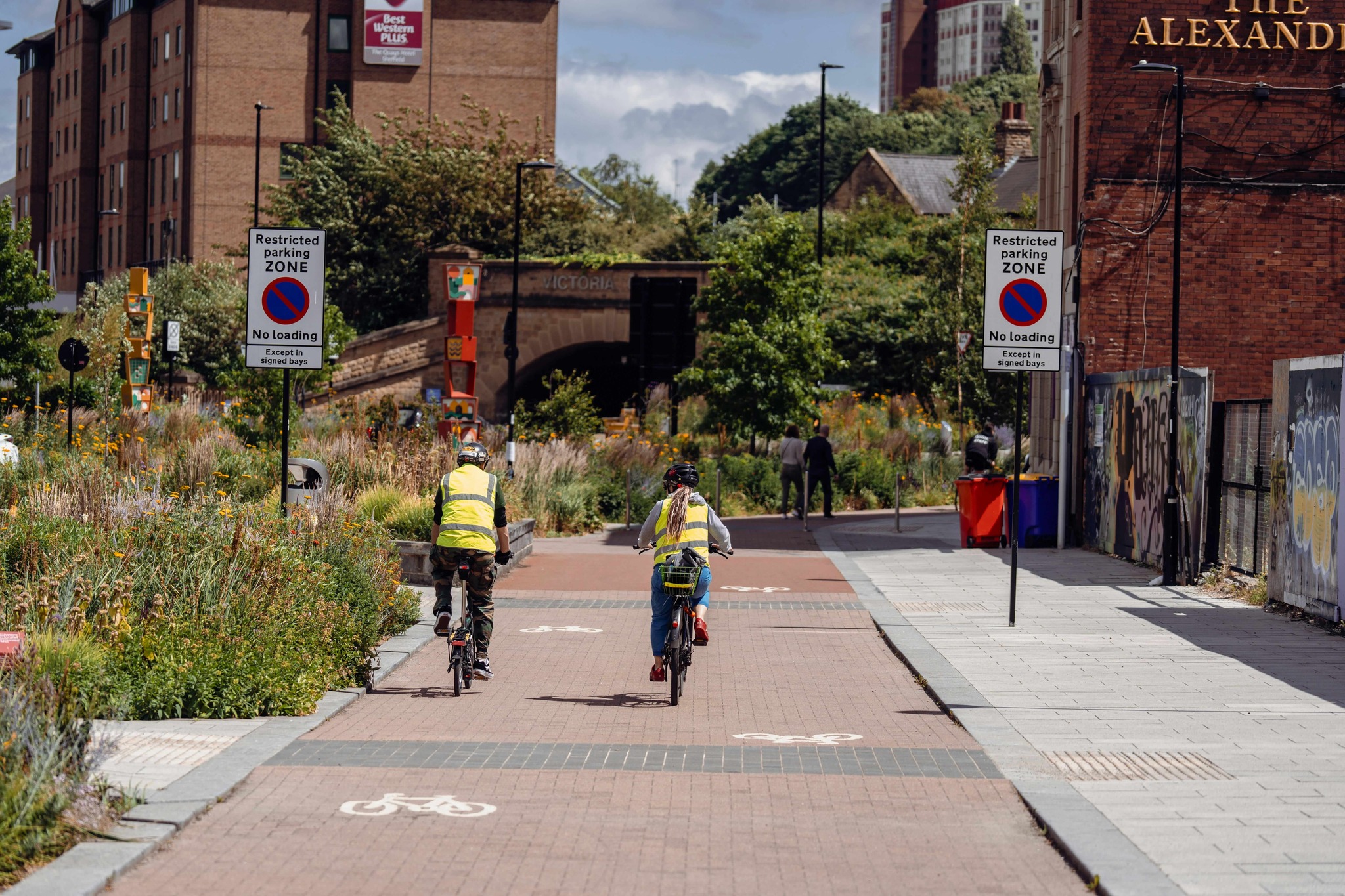
We align traffic calming with placemaking principles, prioritising pedestrian comfort, cycle safety and intuitive layouts. Our advice focuses on viable and deliverable solutions, ensuring measures are appropriate, maintainable and operationally sound. We work closely with project teams and highway authorities to integrate safety considerations into the overall layout at an early stage.

 Learn more