Our approach balances the need for appropriate parking provision with sustainable travel objectives, recognising that the level of parking can play a key role in the success and usability of development. We provide clear justification for parking levels, layout and management, helping to address common planning and highway authority concerns.
Parking strategies are developed in parallel with access and movement design. Where relevant, this includes a Car Parking Management Plan, so that parking supports, rather than undermines, placemaking and long-term sustainability.
Our approach starts with the local context: relevant local plan standards, existing on- and off-street provision, the accessibility of the site by sustainable modes, and the operational needs of the proposed uses. From there, we set out a justified position on the level, layout and management of parking that supports both planning policy and the way the development is intended to operate.
Our typical parking input includes:
– Parking standards reviews against local and national policy
– Parking accumulation and occupancy assessments
– Surveys of on and off street parking demand
– Electric vehicle charging provision strategies
– Accessible parking layouts and ratios
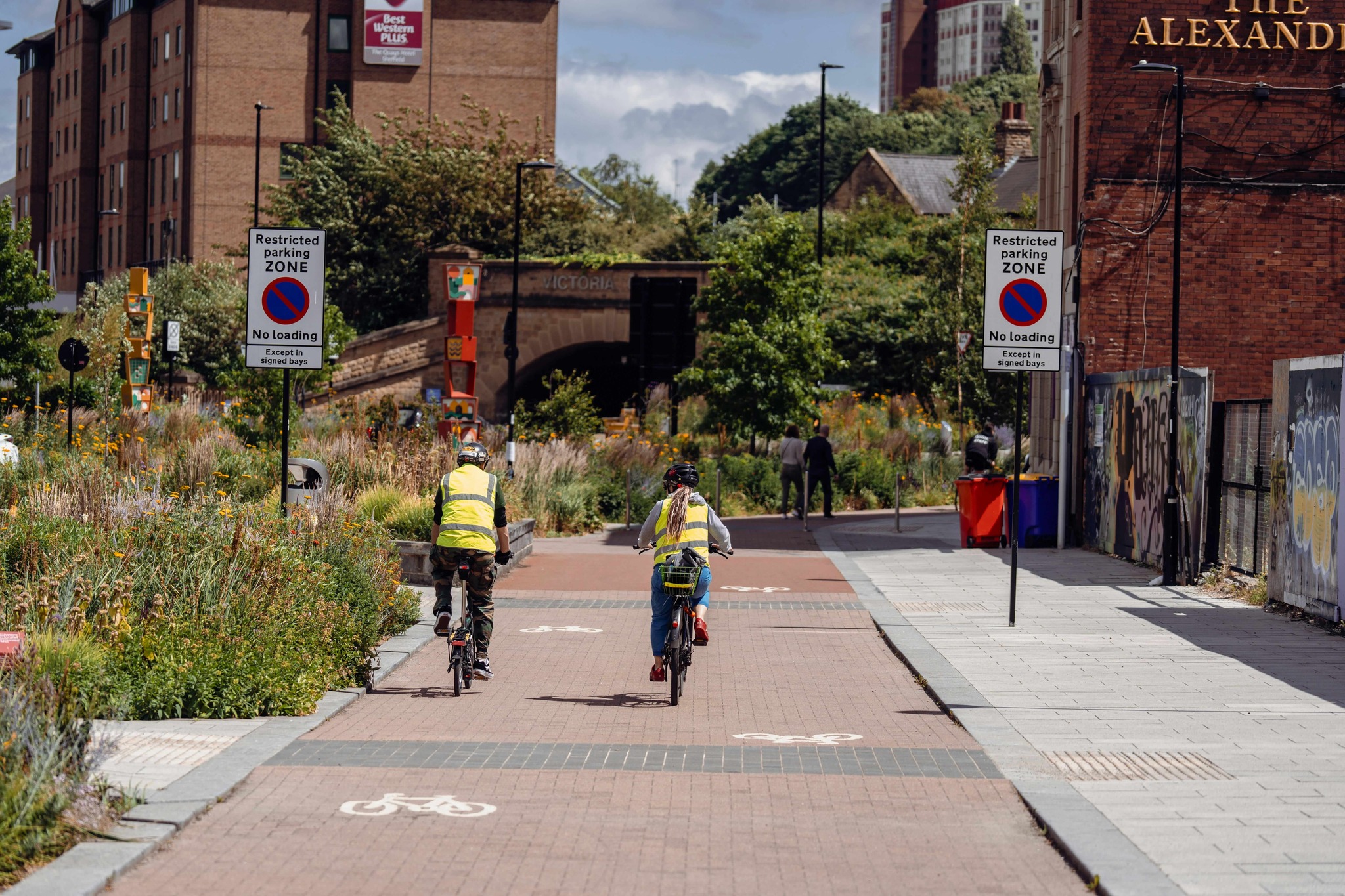
– Cycle parking strategies aligned with relevant standards
– Car Parking Management Plans for operational sites
We address electric vehicle charging requirements under Future Wales Policy 12 in Wales and Approved Document S of the Building Regulations in England, alongside accessible parking under Inclusive Mobility and the Equality Act 2010. Cycle parking is set in line with LTN 1/20 in England and the Active Travel Act Guidance in Wales, as well as local guidance. Our strategies are written to be deliverable in operation, not only at the point of approval.

 Learn more