We work in accordance with recognised best practice, including the Institute of Environmental Management and Assessment (IEMA) Guidelines: Environmental Assessment of Traffic and Movement.
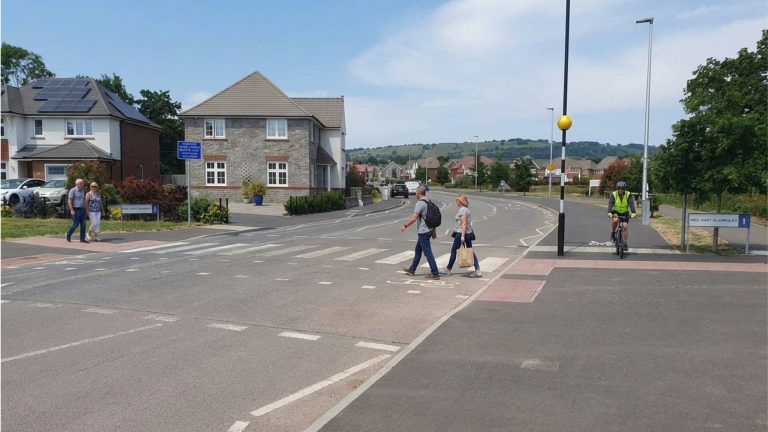
Our approach considers the potential effects of traffic and movement associated with a development against the topic areas set out in the IEMA guidance. This includes changes in severance, driver delay, pedestrian amenity, fear and intimidation, and road safety, alongside consideration of how travel patterns and mode share may change as a result of the proposals.
We assess whether transport-related effects are likely to be significant by applying an evidence-led methodology that reflects the scale and nature of the development, baseline conditions and the sensitivity of receptors. Where effects are identified, we consider appropriate mitigation measures and how these can be embedded within the design and operation of the scheme.
We work closely with the wider environmental team to ensure transport effects are clearly explained, consistently assessed and appropriately integrated within the Environmental Statement, supporting robust decision-making without unnecessary complexity.
 Learn more